Glass restoration
Hard-water spots don't wash off. They come off.
Mineral deposits from sprinklers, sea spray and shower water bond to glass over time. No amount of normal cleaning moves them. Our three-step restoration removes the minerals, cerium oxide polishes the glass back to clear, and nano coats it so the spots stay gone. Priced per pane, from your photos.
Not part of a regular window cleaning. Flag the spotted panes in your photos and we quote them separately.
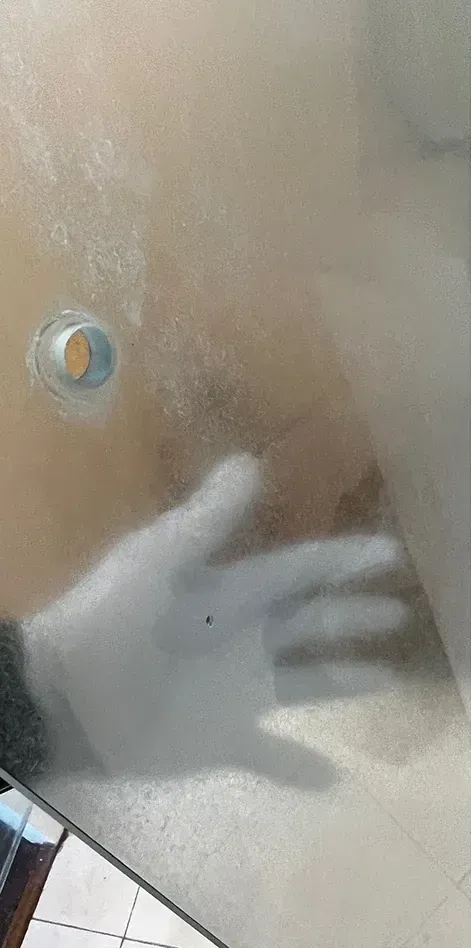
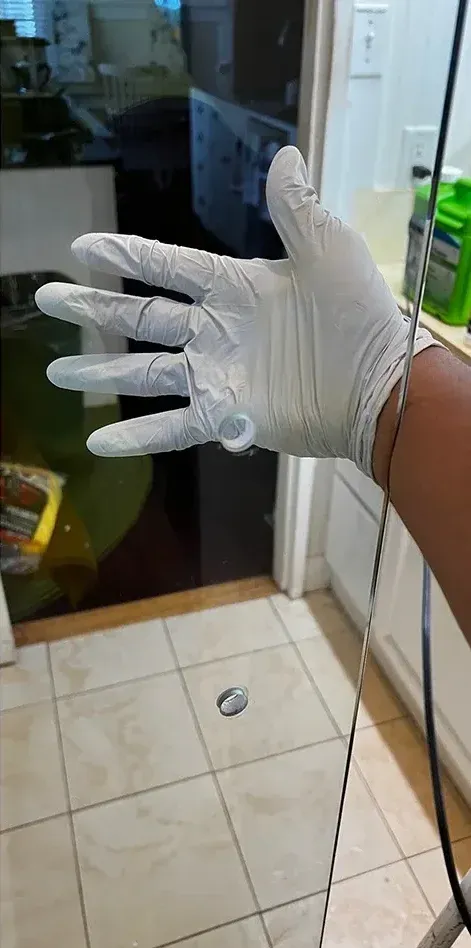
What you are looking at
Why the spots are there
Water carries dissolved minerals: calcium, magnesium, silica, salt. When a drop dries on glass, the water leaves and the minerals stay. One drop is nothing. A sprinkler hitting the same sliding door every morning for three years, salt mist on an oceanfront window, or a shower door that gets wet twice a day leaves a layer that has chemically bonded to the surface.
At that point the glass is not dirty, it is coated. Squeegees, vinegar and regular window cleaning take off whatever is loose and leave the rest, which is why the haze looks the same after a "good clean."
Where we see it on Oʻahu
The usual suspects
- Shower doors and enclosures, especially with well water or older plumbing
- Sliding glass doors and low windows in the path of lawn sprinklers
- Oceanfront and windward glass that takes constant salt mist
- Glass below concrete, stucco, lava rock or masonry, where runoff carries minerals down the pane
- Glass that was "cleaned" with a store-bought hard-water remover and got worse
The quick fix, and why we won't do it
Most companies scrub the surface off your glass
Here is what usually happens when someone promises to get your spots out in an afternoon.
The quick-fix way
Grab a hard-water stain remover from the hardware store, then scrub by hand or with a machine until the glass looks clear. Most of those products are abrasive, acidic, or both. They remove the spots by removing a microscopic layer of the glass with them.
Under magnification the surface is now scratched and pitted, like wood that has been sanded before paint. It looks great for a few weeks. Then water has a thousand new places to sit, the spots come back faster and much worse, and the next removal is harder than the first. Every round of this makes the glass more porous and the problem more permanent.
The Blue Pacific way
We start with the least aggressive methods and work our way up to whatever is needed, never further. Once the minerals are off, the glass is cerium oxide polished to remove the micro damage and bring it back to a smooth, corrected surface, and only then is it nano coated so water beads and runs instead of drying in place.
It takes longer, it takes equipment and training a window cleaner does not normally carry, and it is priced per pane rather than thrown in. The result is glass that is actually restored, not glass that looks restored until the next sprinkler cycle.
Our process
Three steps, every pane
- 1
Mineral removal
Bonded calcium, silica and salt deposits come off with the least aggressive method that works, stepping up only as far as the pane needs. The goal is to take the layer off the glass, not glass off with it.
- 2
Cerium oxide polishing
A dedicated polisher and cerium oxide, the compound used to finish optical glass, remove the micro damage the minerals and past scrubbing left behind and bring the surface back to smooth, corrected and clear.
- 3
Nano coating
A hydrophobic nano coating bonds to the corrected glass so water beads and sheets off instead of drying on the pane. New deposits form slower, and when they do, they wipe away.
Honest limits
Restoration removes mineral deposits and the haze they cause. It does not remove scratches, and glass that has already been damaged by years of abrasive scrubbing may improve dramatically without reaching brand-new. We photograph any existing scratches before we start and tell you exactly what to expect from your photos.
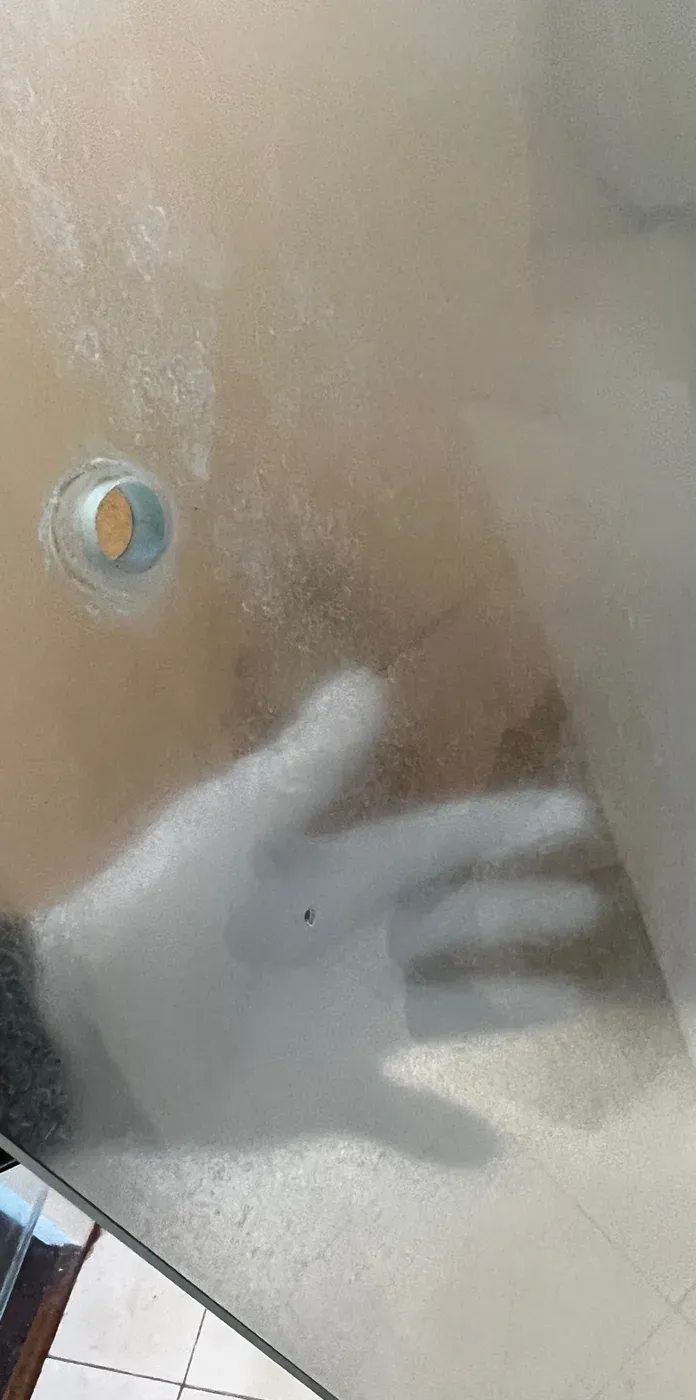
Before and after
Real Oʻahu glass
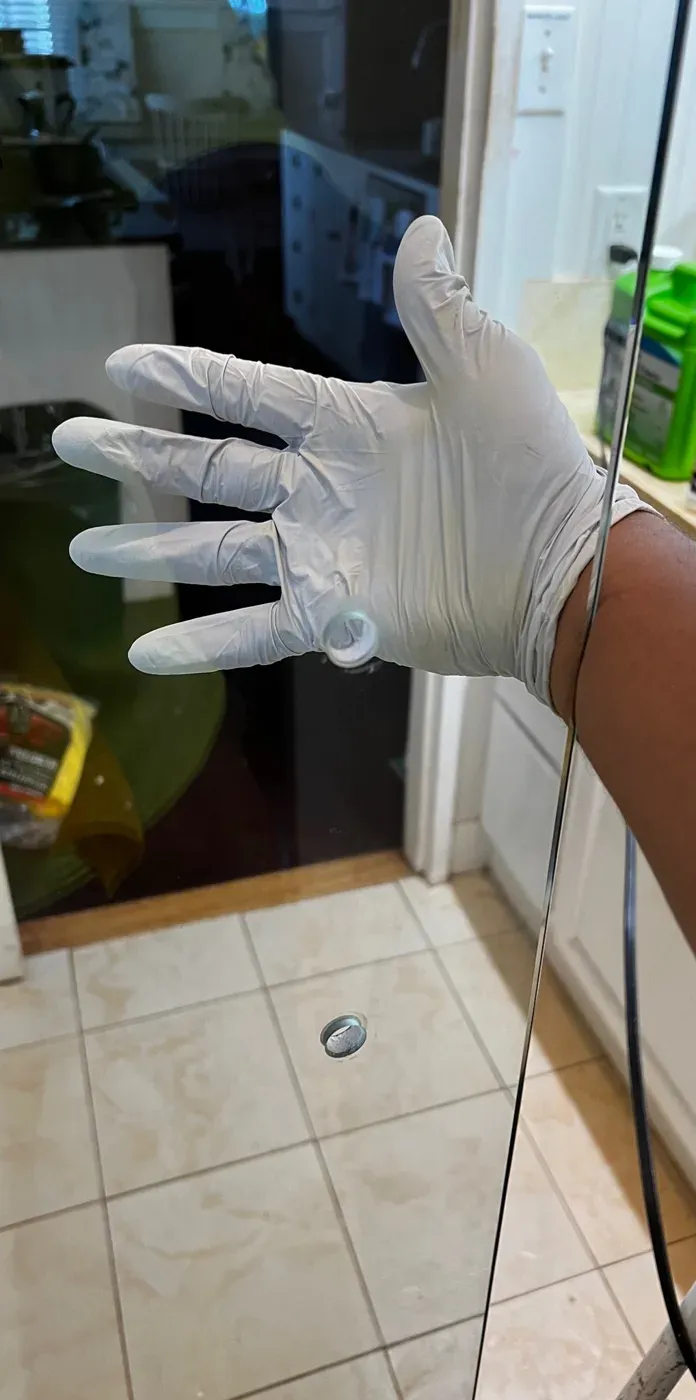
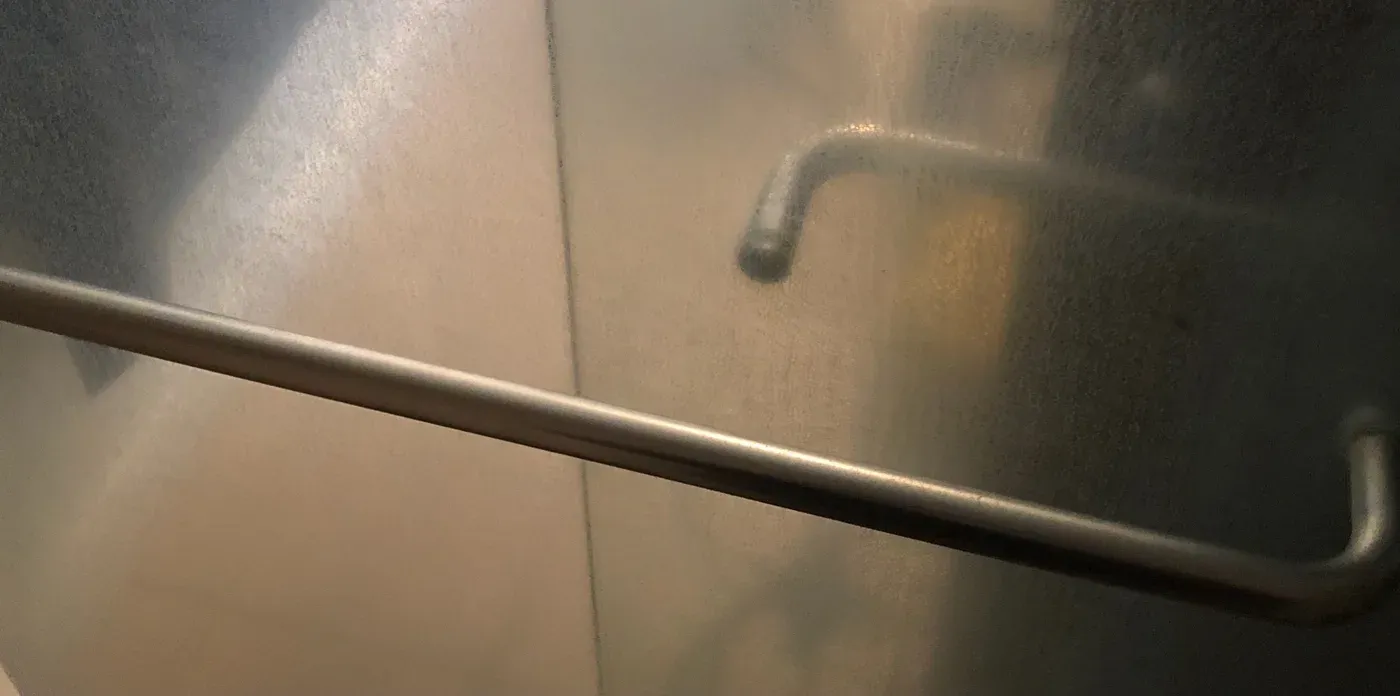
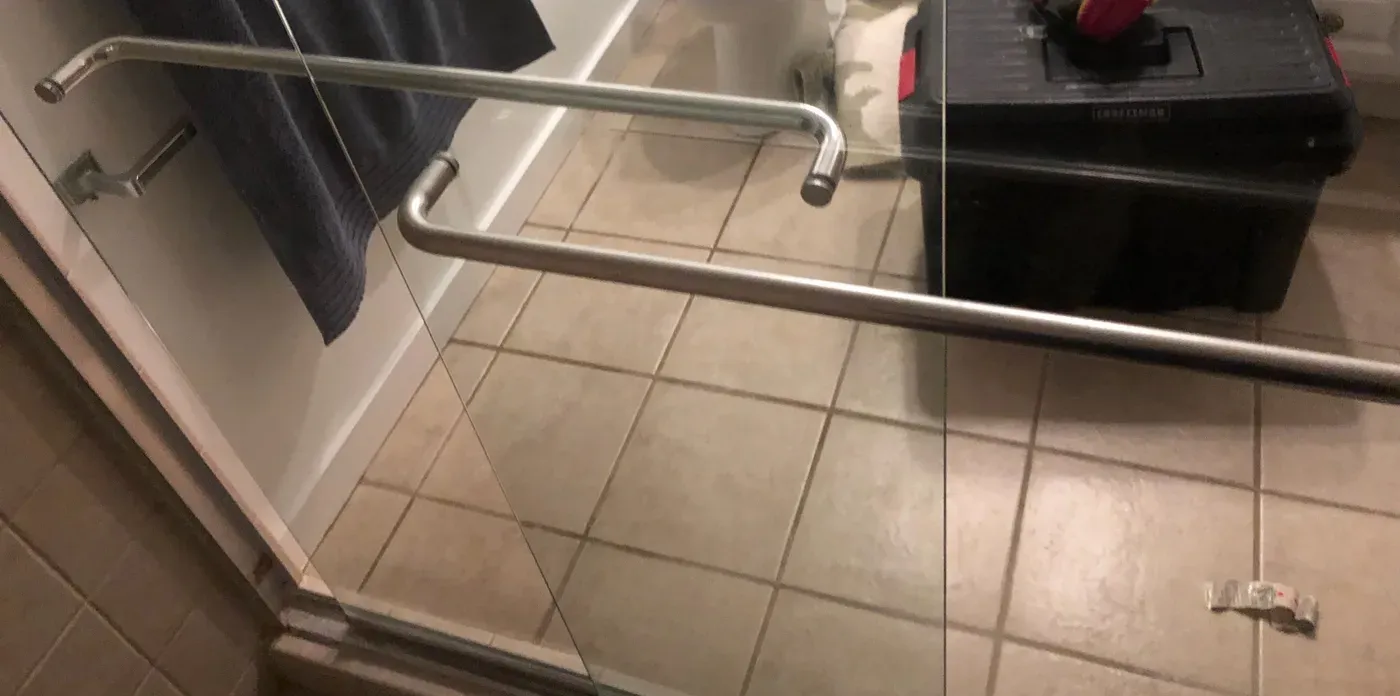
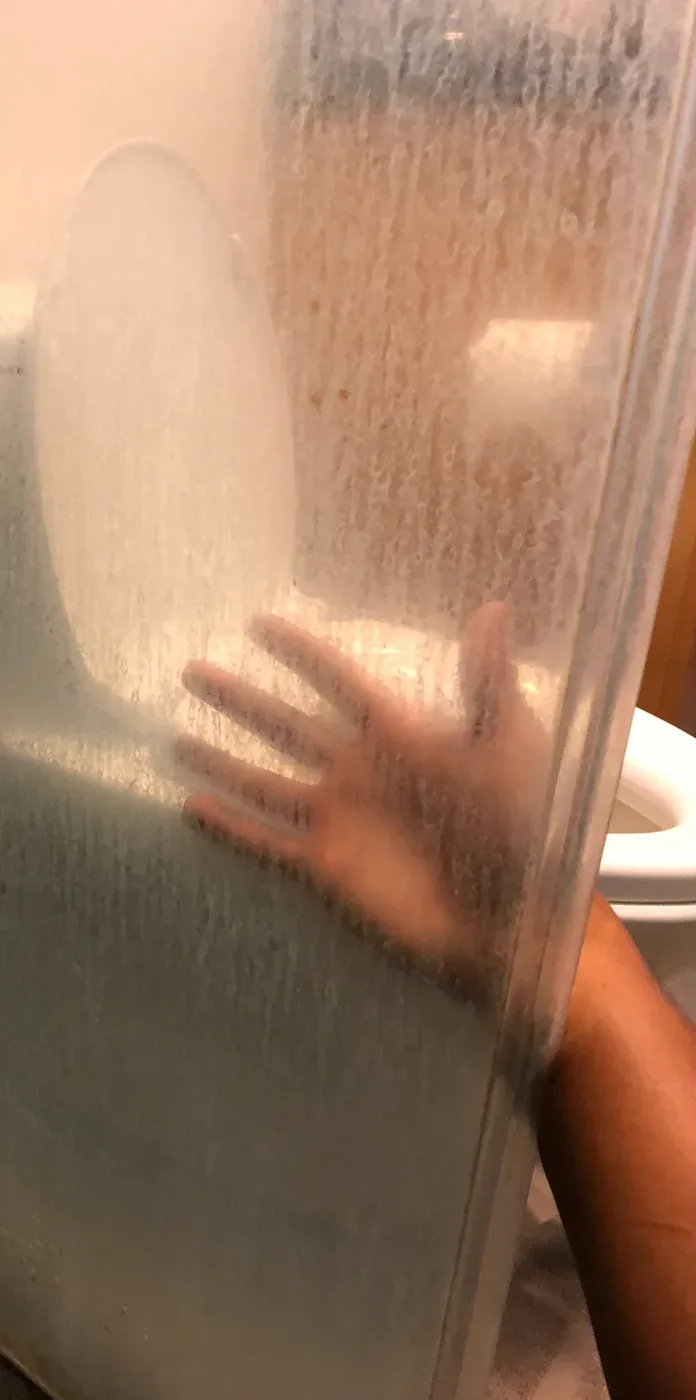
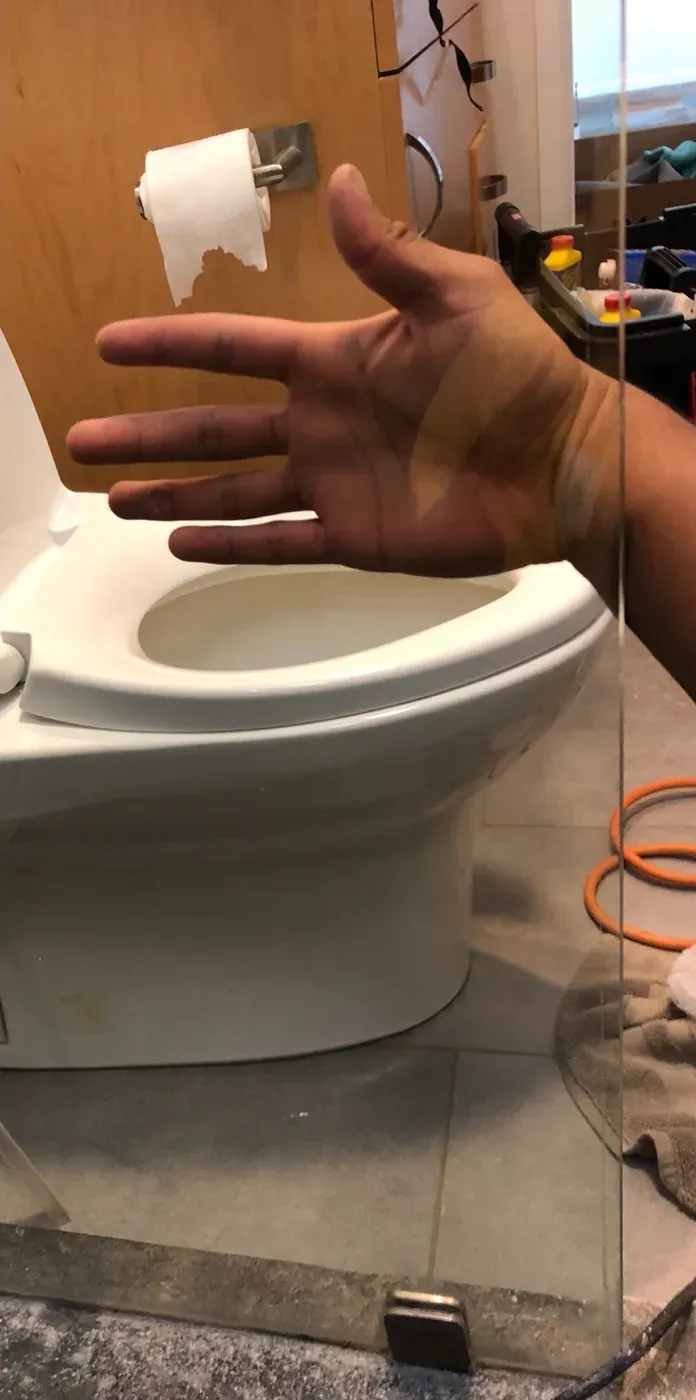
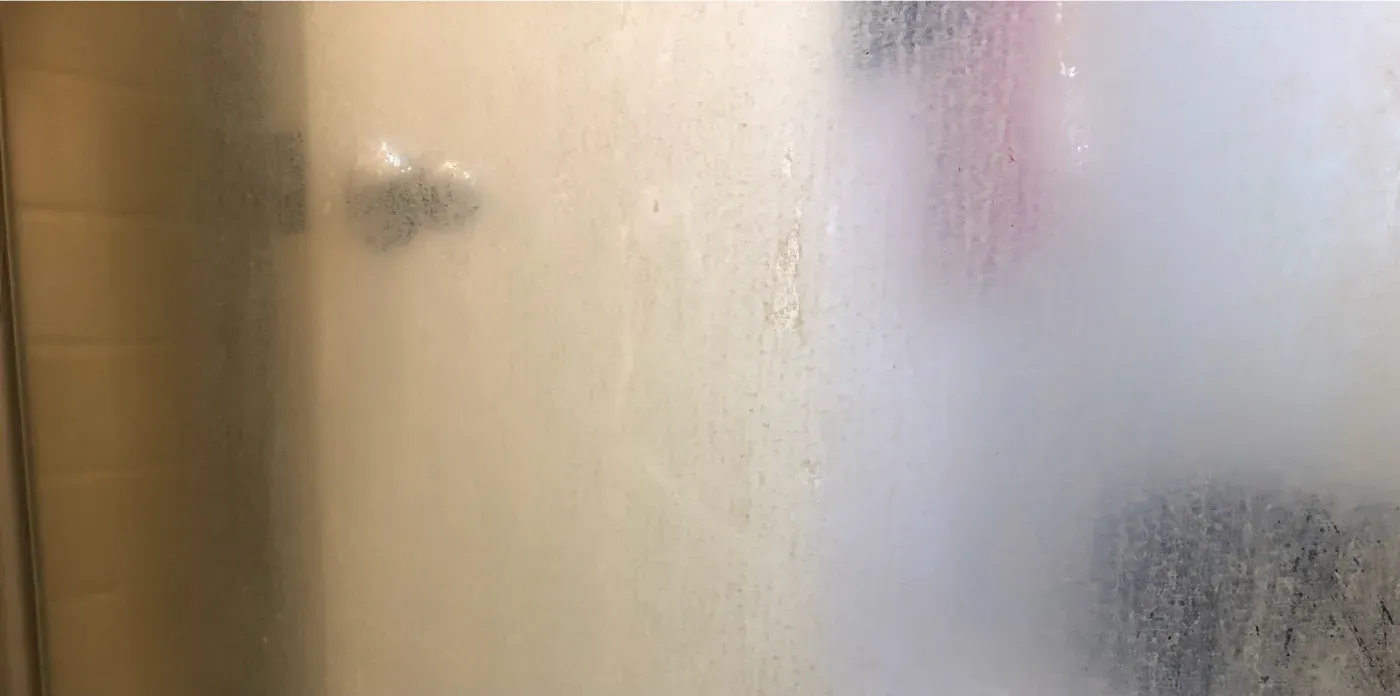
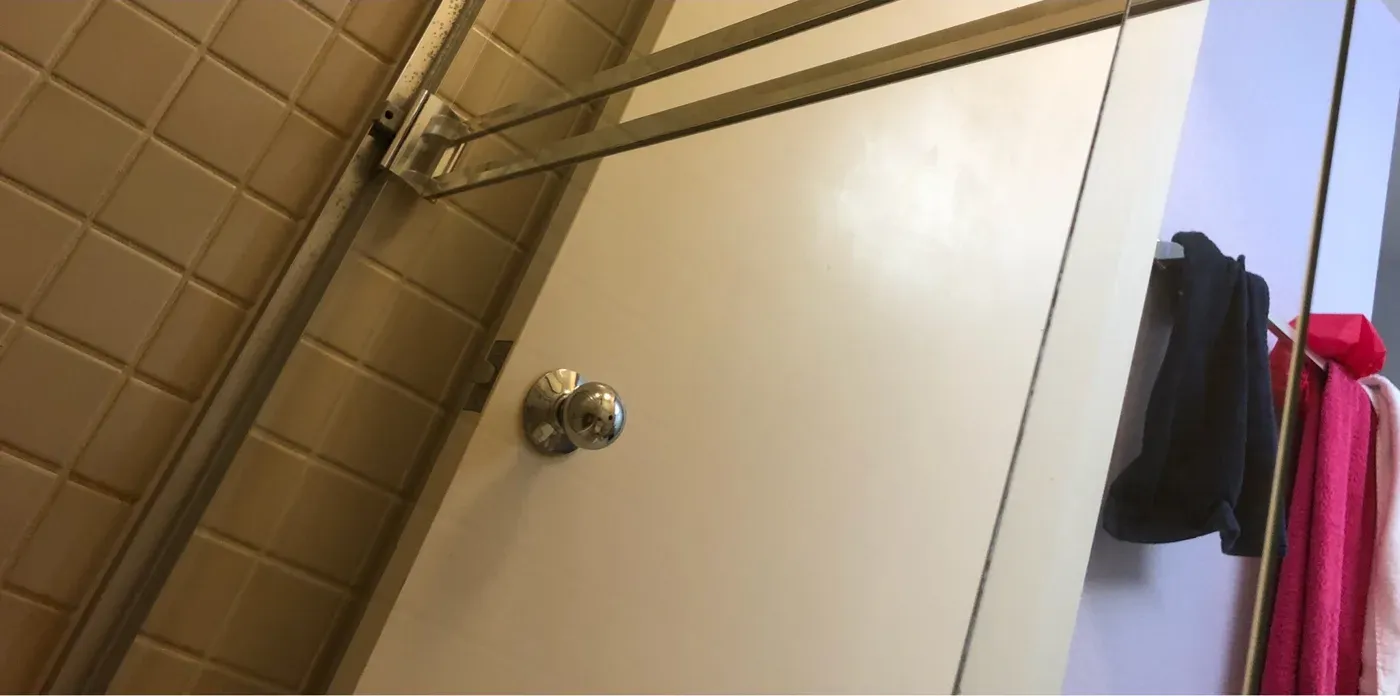
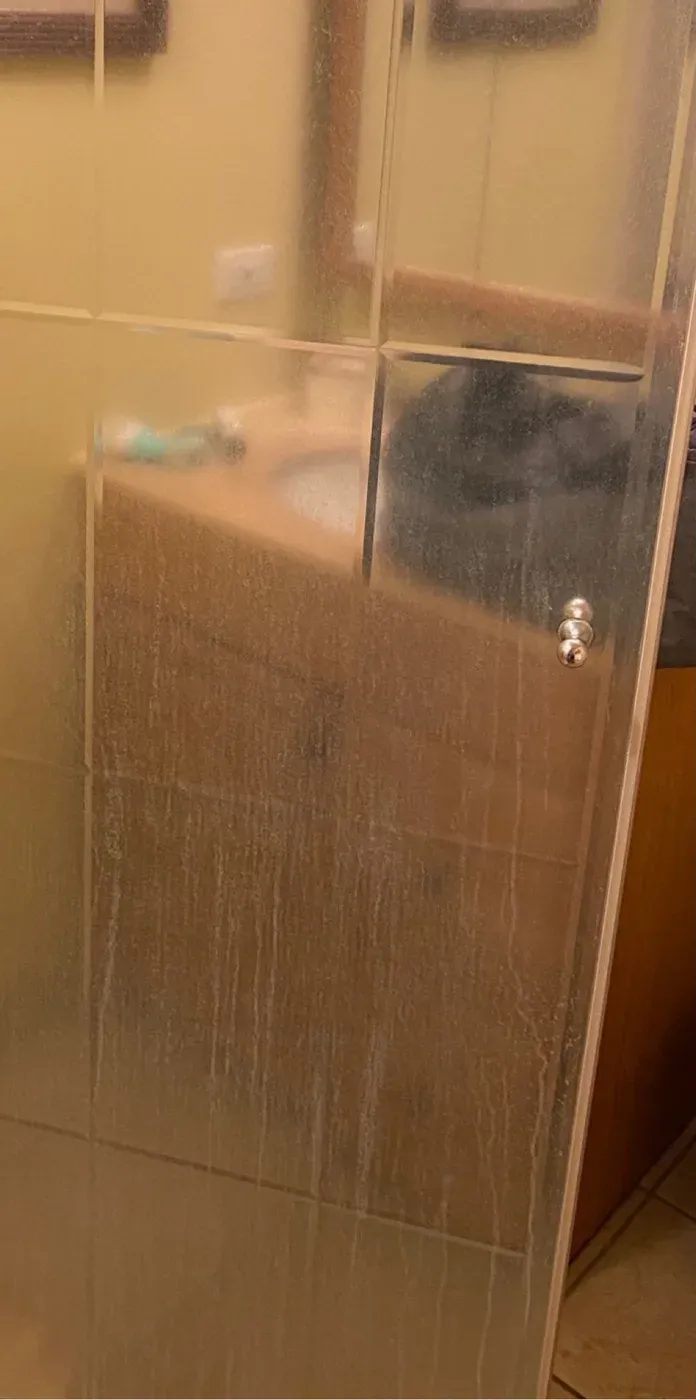
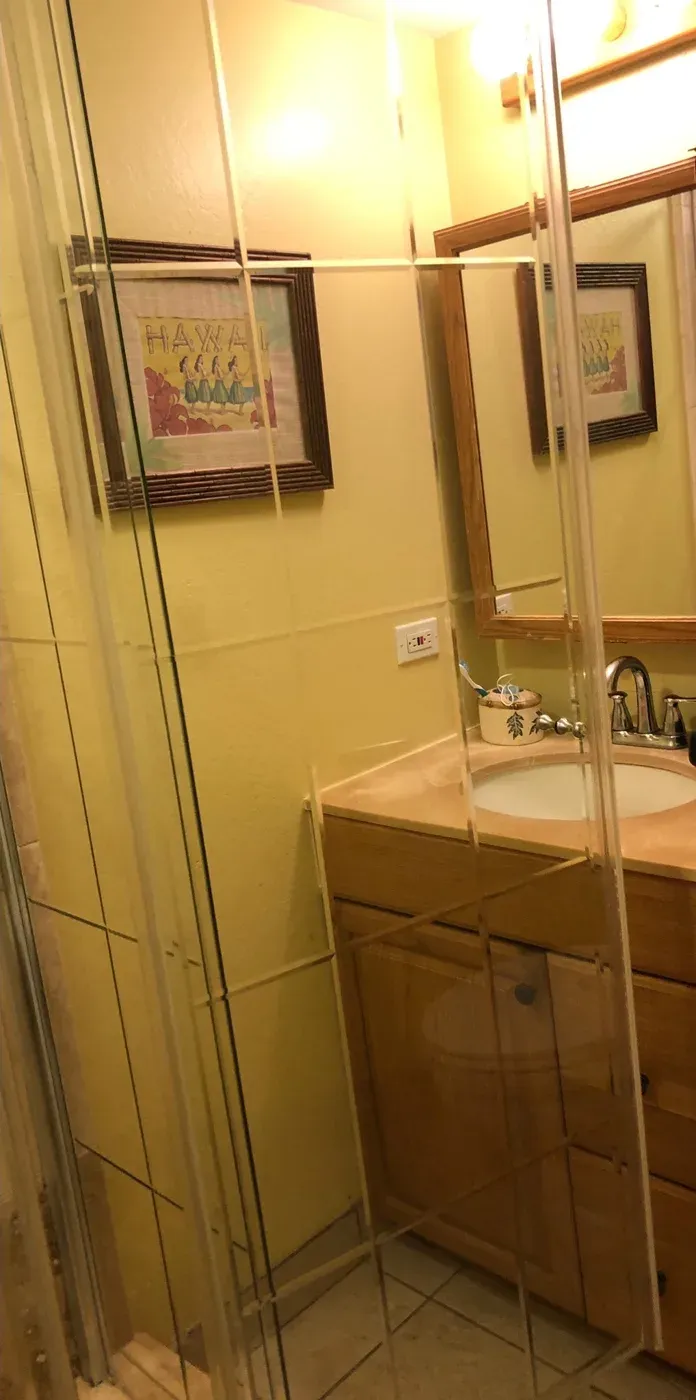
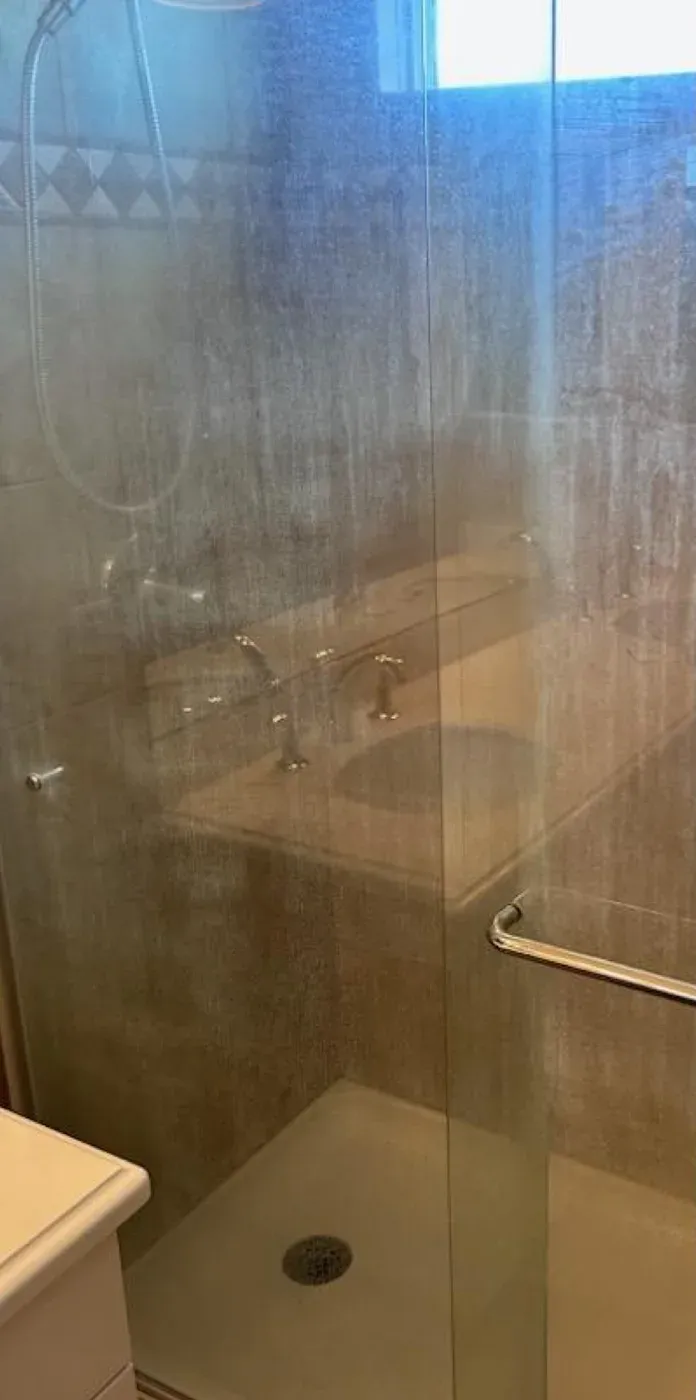
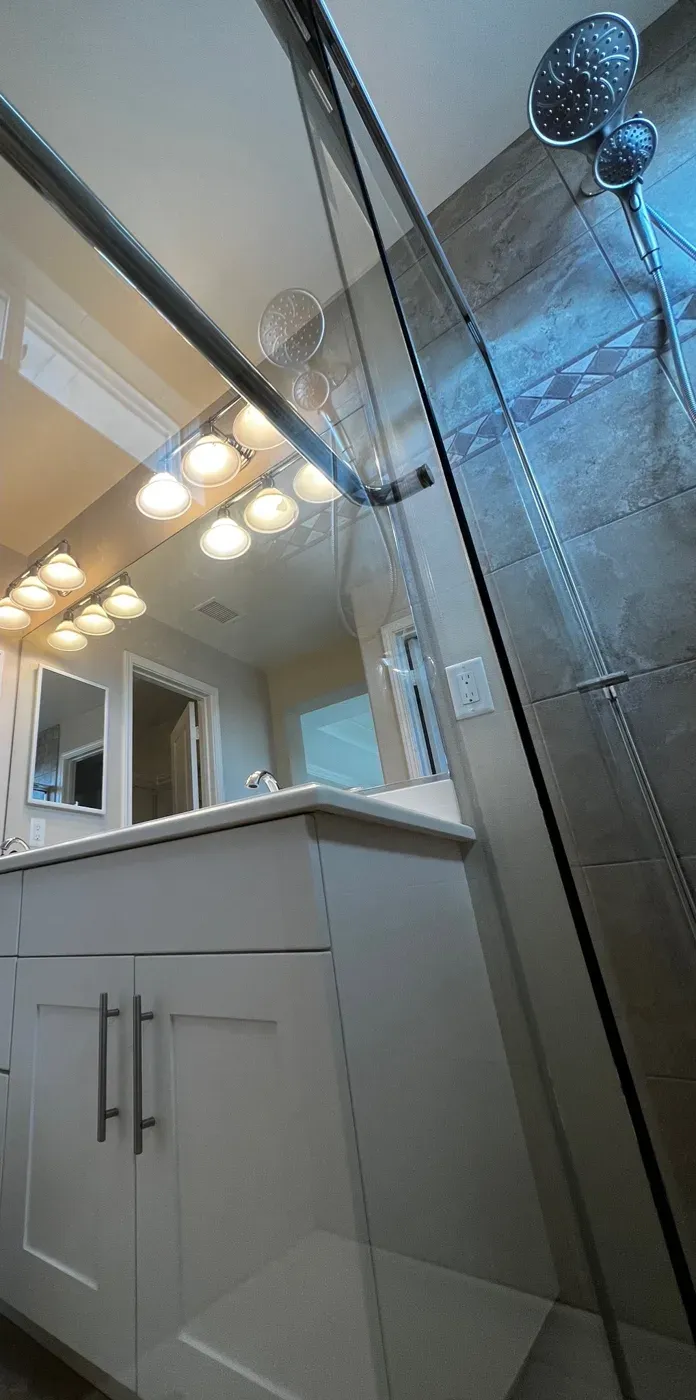
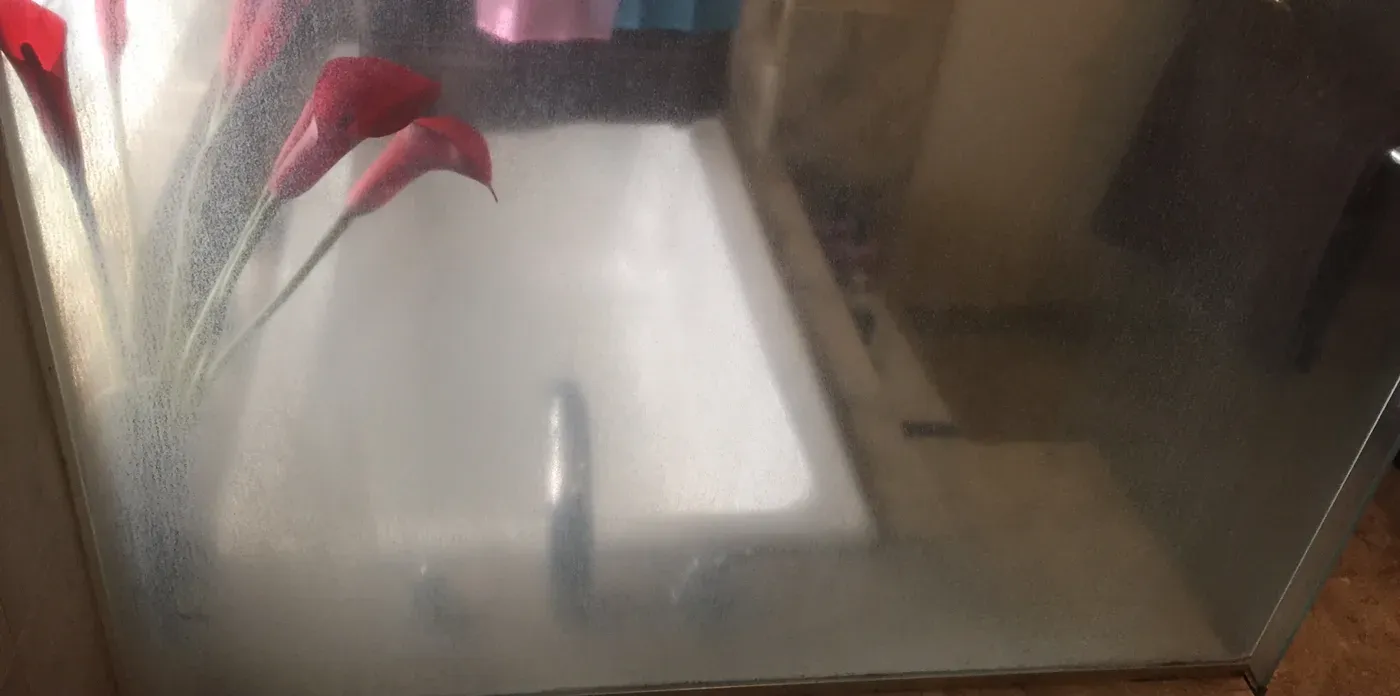
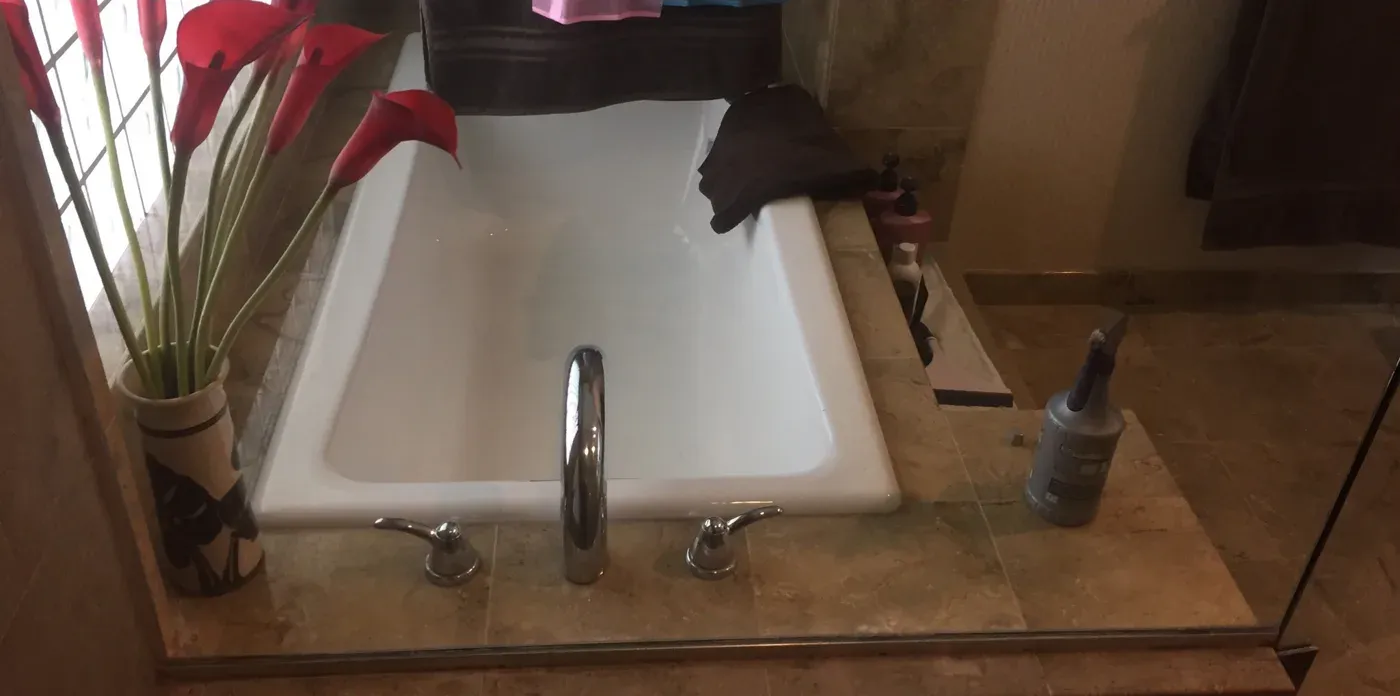
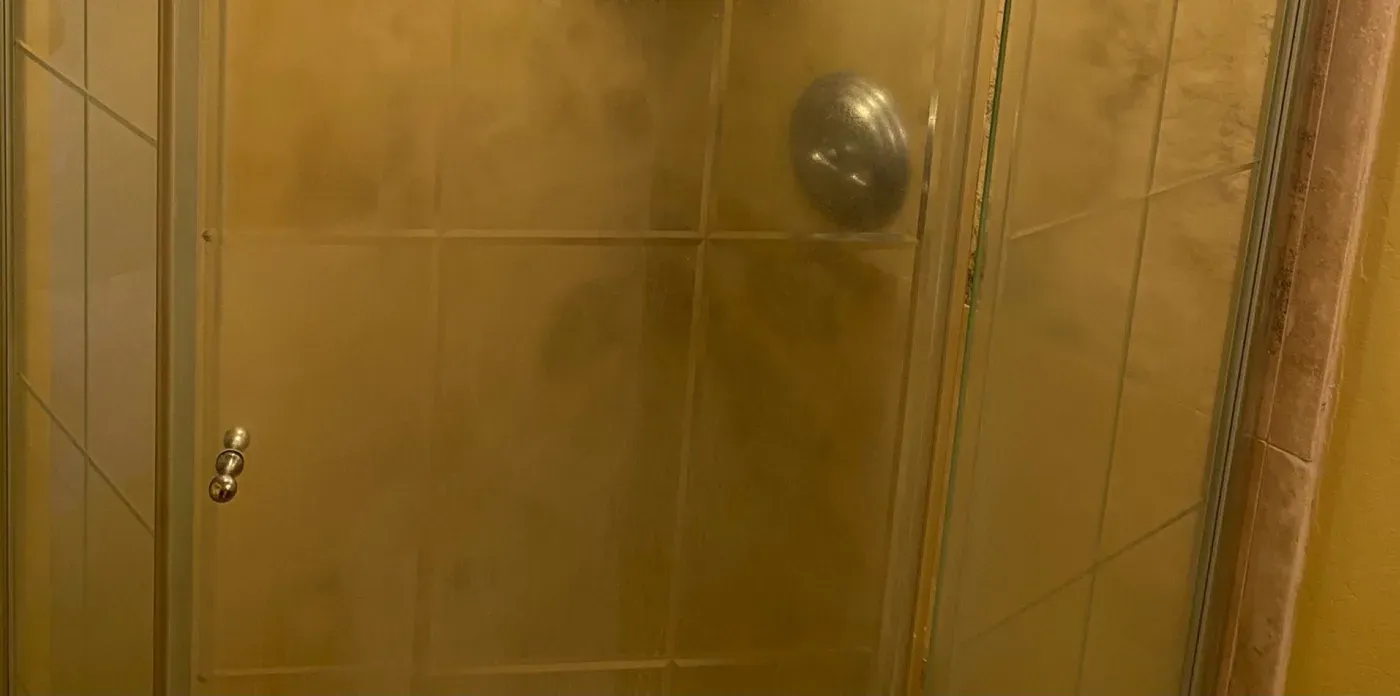
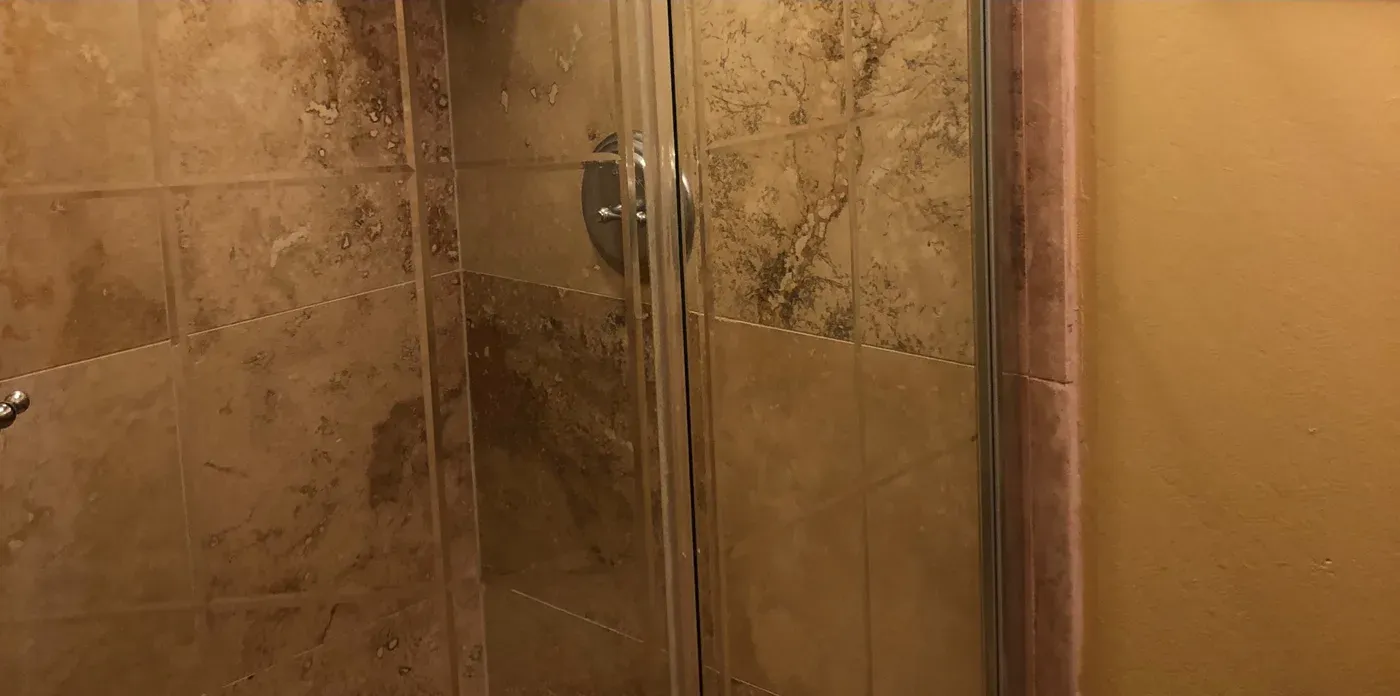
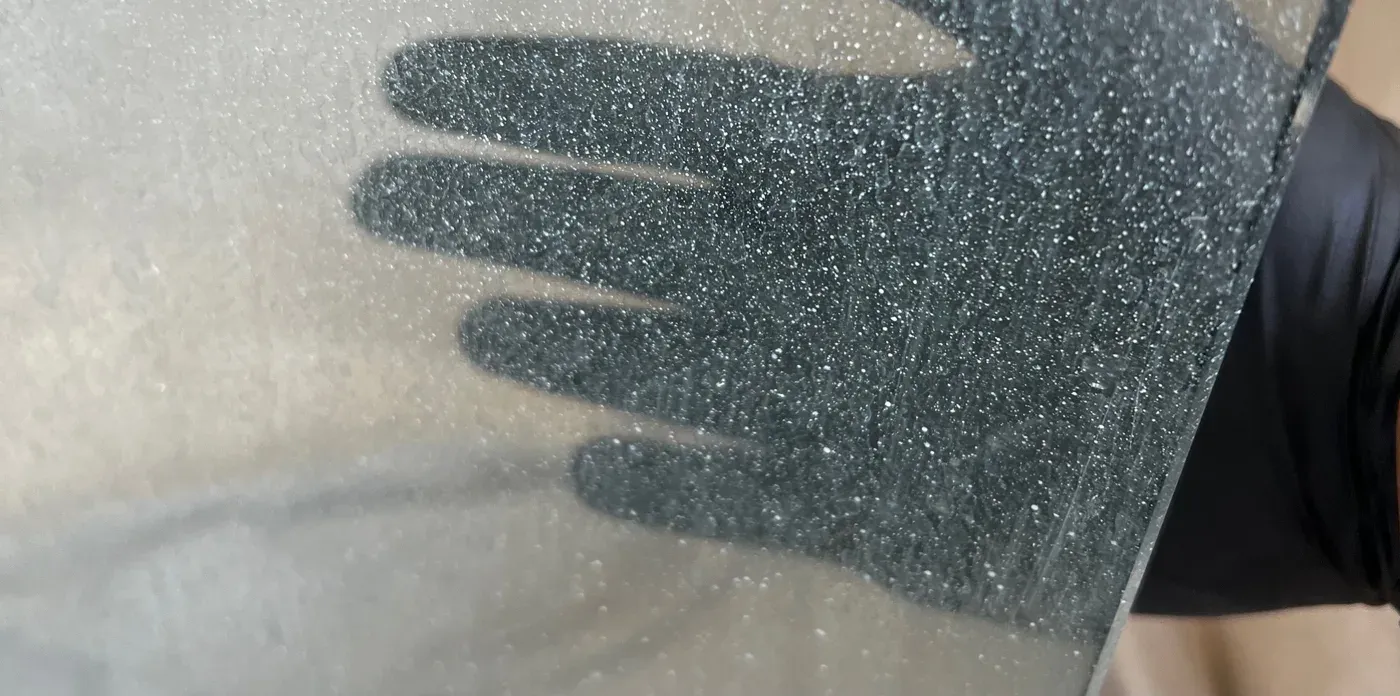
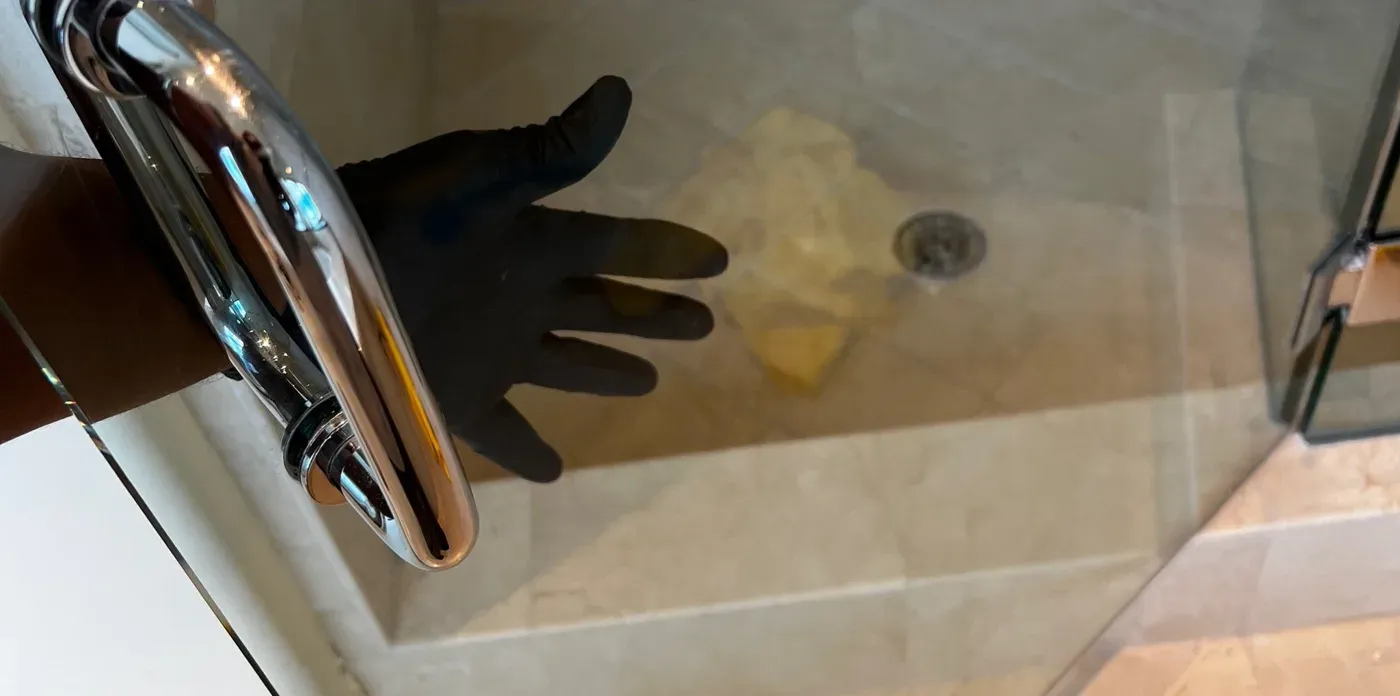
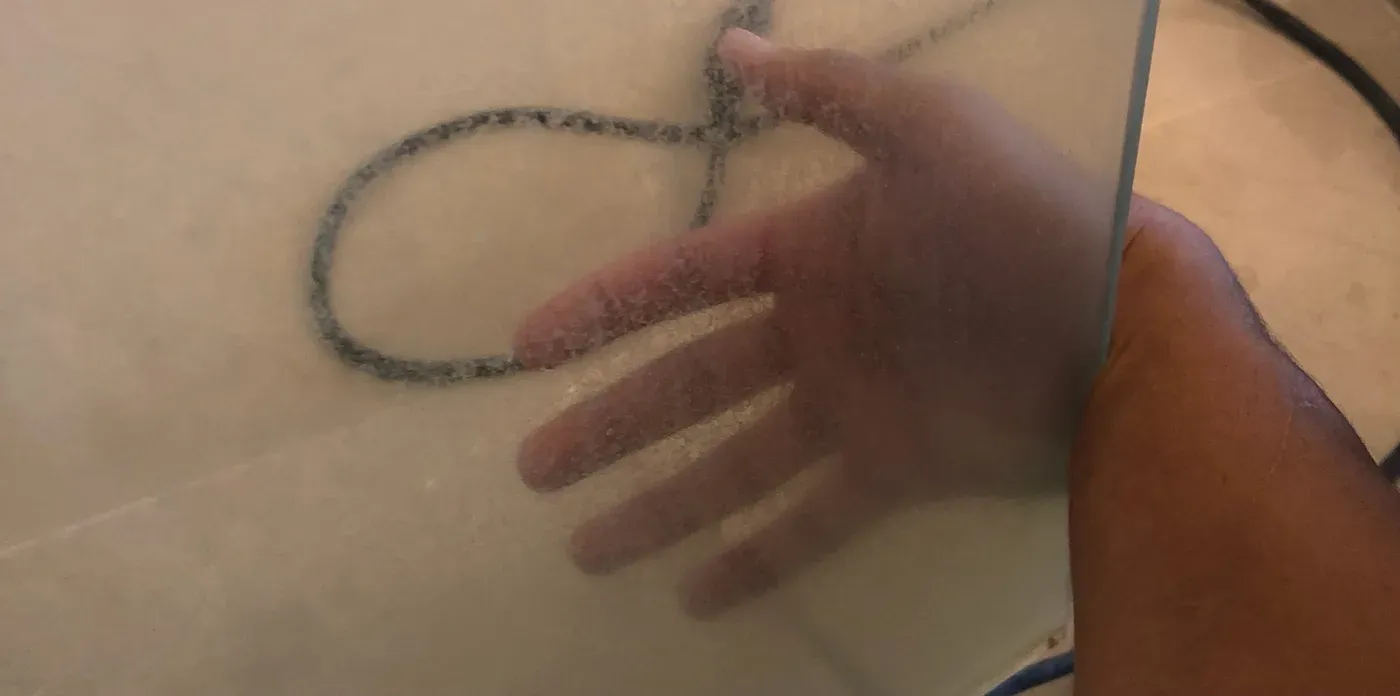
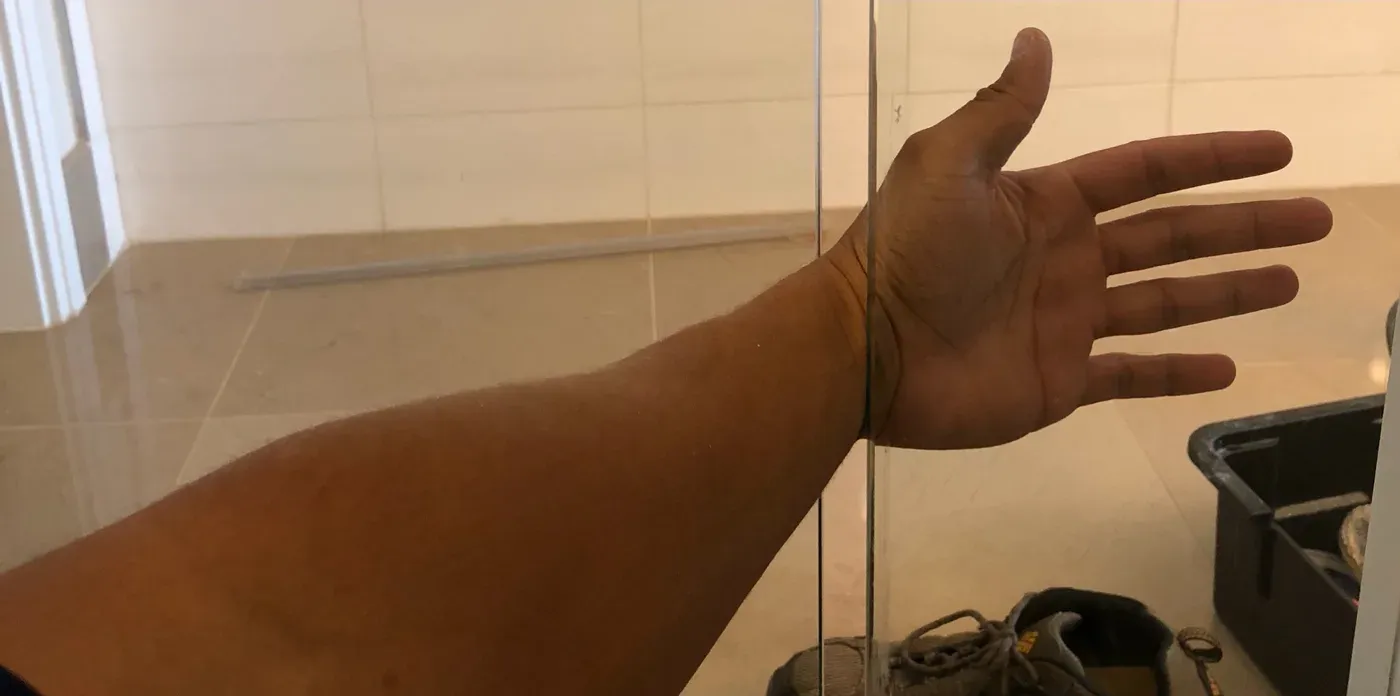
Shower doors are the most common restoration job on the island. Every one of these was haze you could not see through.
How to get a quote
Show us the spotted panes
Glass restoration is quoted per pane, so we only need to see the glass that has the problem. Send your normal 4 photos of the house for the cleaning, then add a close-up of each window or door with spotting, with a window or light behind it so the haze shows. Tick the hard-water box on the price page or mention it in your notes.
You get one quote with the cleaning and the restoration shown separately, so you can do both at once or just the cleaning now.
- Priced per pane, only the glass that needs it
- Quoted alongside your cleaning as its own line
- Scratches photographed first and acknowledged in writing
- Sealed when finished so the result lasts
- Showers, sliders, windows, railings, residential and commercial
FAQ
Glass restoration questions
Is hard-water removal included in a regular window cleaning?
No. A full-service clean removes dirt, salt film and grime, but mineral deposits that have bonded to the glass need glass restoration, which is its own service with its own equipment and price. Point out the spotted panes in your photos or notes and we quote them alongside your cleaning.
How is it priced?
Per pane, from your photos. Only the panes that need restoration are quoted, so a home with four spotted windows pays for four, not the whole house.
Will it remove scratches?
No. Glass restoration removes mineral deposits and the haze they leave. It does not remove scratches, and we photograph any existing scratches before we start and ask you to sign a short scratch acknowledgment so there are no surprises.
Does it work on shower glass?
Yes. Shower doors are the most common job, since soap and hard water bake onto the glass daily. Sliding glass doors near sprinklers, oceanfront windows, and glass below masonry or concrete runoff are the other usual suspects.
How long does it last?
The nano coating makes the glass shed water and slows new deposits, so it stays clearer far longer than untreated glass. Keeping sprinklers off the glass and squeegeeing shower doors keeps it that way. Spots that come back years later are a fraction of what was there before and far easier to remove.
Can I just use a hard-water remover from the store?
You can, but most of them are abrasive or acidic and remove the spots by eating into the surface of the glass. The glass looks better for a while, then spots return faster and harder to remove, because the surface is now rougher. That is exactly what our process avoids.
Hazy glass? Send a photo.
We'll tell you whether it is dirt, minerals or damage, and what it takes to fix it.